


L-glutamine is often referred to as the “multitasker” of the amino acid world. While it is a staple in the gym bags of bodybuilders for muscle recovery, its most profound impact is often found within the gut lining and the immune system.
As the most abundant free amino acid in the human body, understanding how L-glutamine works can be a game-changer for your overall wellness strategy.
Why L-Glutamine is Important
L-glutamine is a conditionally essential amino acid. Under normal circumstances, your body produces enough on its own. However, during periods of high physical stress—such as intense athletic training, injury, surgery, or chronic illness—your body’s demand for glutamine outstrips its ability to produce it.
When this happens, your body may begin to break down muscle tissue to harvest the glutamine needed for vital organs, making supplementation or dietary focus necessary to maintain balance.
Key Benefits of L-Glutamine
- Repairs the Gut Lining (Leaky Gut)
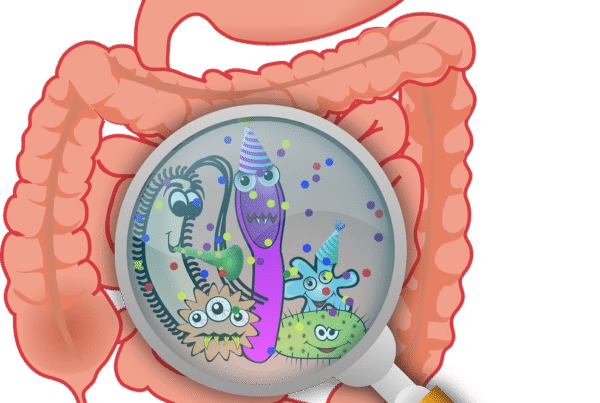
L-glutamine is the primary fuel source for the cells that line the small intestine (enterocytes). It is widely used to support “intestinal permeability” or Leaky Gut.
The Benefit: It helps “knit” together the tight junctions in the intestinal wall, preventing undigested food particles and toxins from entering the bloodstream and causing systemic inflammation. - Bolsters the Immune System
Your immune cells, particularly white blood cells and certain T-cells, rely on glutamine to function and multiply.
The Benefit: During illness, glutamine levels drop significantly. Maintaining these levels ensures your immune system has the energy it needs to mount a proper defense against pathogens. - Enhances Muscle Recovery and Performance
While it doesn’t necessarily “build” muscle like leucine does, glutamine is excellent for recovery.
The Benefit: It helps decrease muscle soreness (DOMS) and rehydrates muscle cells, allowing for faster recovery between high-intensity training sessions. - Supports Brain Health
As a precursor to the neurotransmitter glutamate, L-glutamine plays a role in brain function.
The Benefit: It helps maintain the balance of “exitatory” and “inhibitory” signals in the brain, which can assist with focus and the reduction of sugar and alcohol cravings.
How to Take L-Glutamine
To get the most out of L-glutamine, it is helpful to follow these general guidelines:
| Feature | Recommendation |
| Typical Dosage | 5g to 15g daily. Higher doses (up to 30g) are sometimes used in clinical settings under medical supervision. |
| Form | Powdered form is often best. It is tasteless, dissolves easily in water, and allows for higher doses without swallowing dozens of capsules. |
| Timing | For gut health, take it on an empty stomach (20–30 minutes before eating). For recovery, take it post-workout. |
| Temperature | Do not mix it into hot coffee or tea. Heat can degrade the amino acid, making it less effective. |
Natural Food Sources
If you prefer to get your nutrients from whole foods, focus on high-protein sources:
- Animal Proteins: Beef, chicken, fish, and eggs.
- Dairy: Ricotta cheese, cottage cheese, and Greek yogurt.
- Plant-Based: Spirulina, cabbage, spinach, and beans.
Safety and Side Effects
L-glutamine is generally recognized as safe (GRAS). However, those with kidney disease, liver disease, or Reye’s syndrome should avoid supplementation unless directed by a doctor. Additionally, because it affects neurotransmitters, individuals with certain neurological sensitivities should start with a very low dose to monitor their response.